These videos are designed for anyone to learn about the strategies and tools that assist stroke survivors during their recovery process. This can include stroke survivors, caregivers, family members, students, practitioners, or any community member. It includes descriptions of the tool/strategy, the purpose, examples, how to use it, and possible alternatives.




These videos are designed for anyone to learn about the strategies and tools that assist stroke survivors during their recovery process. This can include stroke survivors, caregivers, family members, students, practitioners, or any community member. It includes descriptions of the tool/strategy, the purpose, examples, how to use it, and possible alternatives.

Occupational therapy student Bri creates a video series showcasing adaptive equipment for stroke recovery, using her mom as an example. The video demonstrates how various adaptive tools can aid in meal preparation and other daily tasks for individuals with limited mobility.


|
|
|||
|
|
|||
|
|


|
|
|
 Uploaded
|
|
0:00 |
|
|
|
|
0:05 | ||
|
|
0:10 |
|
|
|
|
0:15 | ||
|
|
0:20 | ||
|
|
0:25 |
|
|
|
|
0:30 | ||
The video discusses the importance of reflection, self monitoring, and celebrating progress after a stroke. It emphasizes the value of small successes, the benefits of reflection, and the mindset of adaptation.
|
|
|||
|
|
|||
|
|
|
|
|
Uploaded
|
|
0:00 |
|
|
|
|
0:05 | ||
|
|
0:10 |
|
|
|
|
0:15 | ||
|
|
0:20 | ||
|
|
0:25 |
|
|
|
|
0:30 | ||
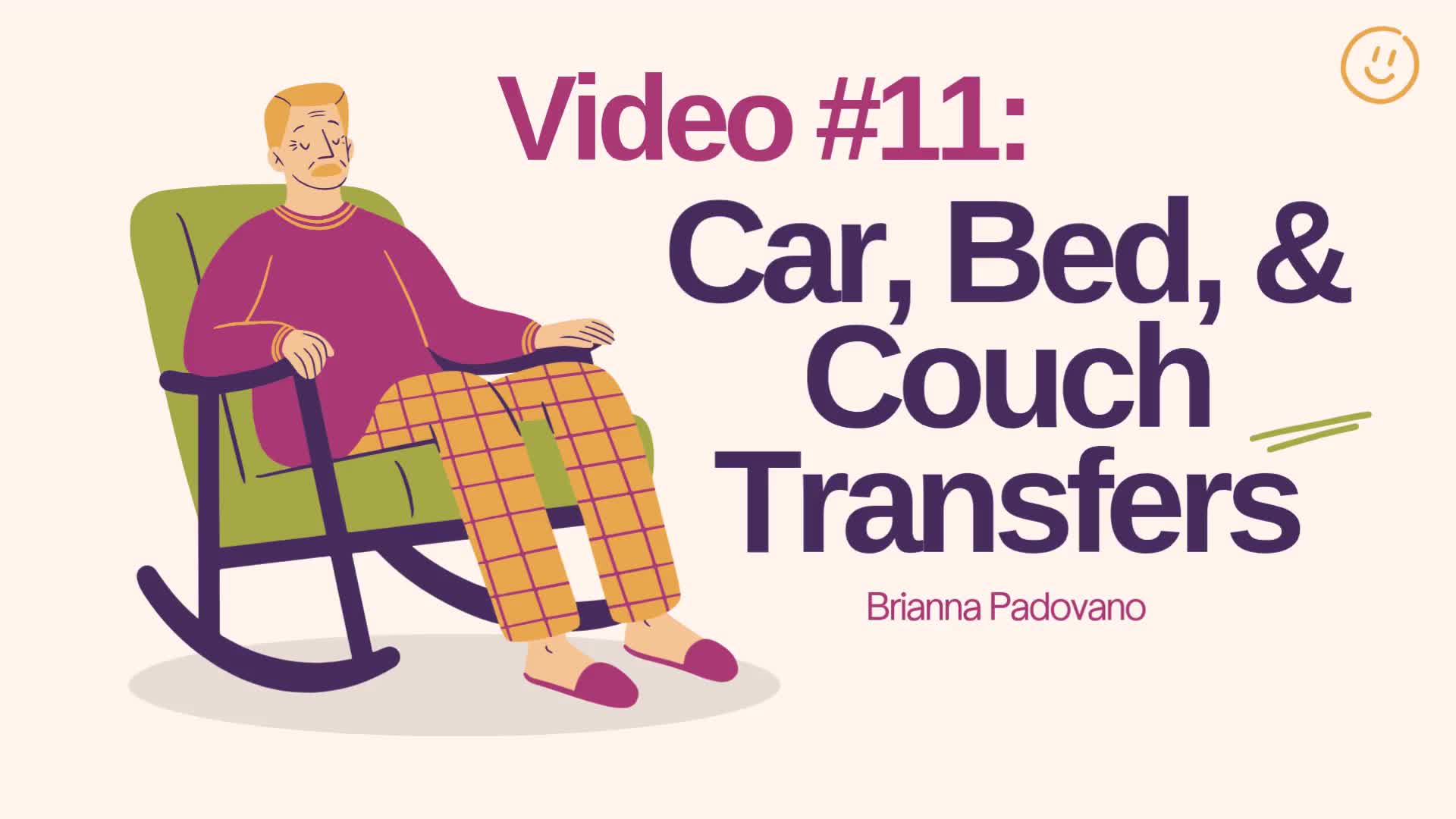
This video series is created by an occupational therapy student to educate on safe transfer techniques after a stroke. The focus is on anchoring and shifting center of gravity for smoother transitions in and out of bed, off a couch, and in and out of a car.
|
|
|||
|
|
|||
|
|
|
|
|
Uploaded
|
|
0:00 |
|
|
|
|
0:05 | ||
|
|
0:10 |
|
|
|
|
0:15 | ||
|
|
0:20 | ||
|
|
0:25 |
|
|
|
|
0:30 | ||
This video discusses the importance of pacing, rest, and energy conservation in managing fatigue during stroke recovery. It emphasizes the need to work with the body's energy levels, and not against them, in order to maintain independence and emotional well-being.
|
|
|||
|
|
|||
|
|
|
|
|
Uploaded
|
|
0:00 |
|
|
|
|
0:05 | ||
|
|
0:10 |
|
|
|
|
0:15 | ||
|
|
0:20 | ||
|
|
0:25 |
|
|
|
|
0:30 | ||
The video discusses strategies for stroke survivors to adapt their dressing routines, including buttoning, zipping, and using fasteners with and without adaptive tools. It focuses on positioning, environmental anchoring, and tool options to support independence and reduce reliance on caregivers. The video also highlights common challenges and mistakes, safety considerations, and various adaptive tools available for dressing. It emphasizes the importance of tailoring adaptations based on individual performance, endurance, and goals.
|
|
|||
|
|
|||
|
|
|
|
|
Uploaded
|
|
0:00 |
|
|
|
|
0:05 | ||
|
|
0:10 |
|
|
|
|
0:15 | ||
|
|
0:20 | ||
|
|
0:25 |
|
|
|
|
0:30 | ||
The video discusses strategies and tools to help stroke survivors enjoy gardening safely and independently, focusing on modified gardening tools, wrist straps, longer handles, and easy grip gloves. It also covers safety considerations, real world examples, and the overall goal of supporting independence and participation in meaningful activities.
|
|
|||
|
|
|||
|
|
|
|
|
Uploaded
|
|
0:00 |
|
|
|
|
0:05 | ||
|
|
0:10 |
|
|
|
|
0:15 | ||
|
|
0:20 | ||
|
|
0:25 |
|
|
|
|
0:30 | ||
Occupational therapy student Bre shares simple strategies to make cooking safer and more manageable for stroke survivors, focusing on positioning and setup rather than strength.
|
|
|||
|
|
|||
|
|
|
|
|
Uploaded
|
|
0:00 |
|
|
|
|
0:05 | ||
|
|
0:10 |
|
|
|
|
0:15 | ||
|
|
0:20 | ||
|
|
0:25 |
|
|
|
|
0:30 | ||
This video discusses the Occupational Therapy strategies for sit to stand transfers in stroke recovery, focusing on body positioning, movement, and energy conservation. It covers three key strategies: rocking, foot placement, and hip angle, along with common mistakes and alternatives. The video also provides tips for using these strategies in everyday life.
|
|
|||
|
|
|||
|
|
|
|
|
Uploaded
|
|
0:00 |
|
|
|
|
0:05 | ||
|
|
0:10 |
|
|
|
|
0:15 | ||
|
|
0:20 | ||
|
|
0:25 |
|
|
|
|
0:30 | ||
The video discusses adaptive strategies for stroke recovery that don't require buying special equipment, focusing on using the environment and changing body positioning to increase independence. It also highlights specific techniques such as using non-slip surfaces, the warm water trick, elbow leverage, anchoring objects, and sequencing tasks to conserve energy and increase confidence in everyday activities.
|
|
|||
|
|
|||
|
|
|
|
|
Uploaded
|
|
0:00 |
|
|
|
|
0:05 | ||
|
|
0:10 |
|
|
|
|
0:15 | ||
|
|
0:20 | ||
|
|
0:25 |
|
|
|
|
0:30 | ||
This video series focuses on occupational therapy techniques and strategies to help stroke survivors with eating and mealtime independence. The specific focus in this video is on weighted utensils and grip adaptations to make eating easier and less tiring after a stroke.
|
|
|||
|
|
|||
|
|
|
|
|
Uploaded
|
|
0:00 |
|
|
|
|
0:05 | ||
|
|
0:10 |
|
|
|
|
0:15 | ||
|
|
0:20 | ||
|
|
0:25 |
|
|
|
|
0:30 | ||
The video focuses on dressing strategies for stroke survivors, emphasizing the importance of independence, task simplification, energy conservation, and safety. The speaker, an occupational therapy student, discusses various positioning and adaptive tools to make dressing successful and achievable for stroke survivors.
|
|
|||
|
|
|||
|
|
|
|
|
Uploaded
|
|
0:00 |
|
|
|
|
0:05 | ||
|
|
0:10 |
|
|
|
|
0:15 | ||
|
|
0:20 | ||
|
|
0:25 |
|
|
|
|
0:30 | ||
The video discusses the importance of adaptive tools like universal and Velcro cuffs in stroke recovery, how to use them, who can benefit from them, and how to make your own at home.
|
|
|||
|
|
|||
|
|
|
|
|
Uploaded
|
|
0:00 |
|
|
|
|
0:05 | ||
|
|
0:10 |
|
|
|
|
0:15 | ||
|
|
0:20 | ||
|
|
0:25 |
|
|
|
|
0:30 | ||
This video discusses the importance of adaptive equipment in stroke recovery, focusing on how it can bridge the gap between what stroke survivors want to do and what their bodies can currently do. It also highlights how adaptive equipment supports independence and meaningful participation in daily life.
|
|
|||
|
|
|||
|
|
|
|
|
Uploaded
|
|
0:00 |
|
|
|
|
0:05 | ||
|
|
0:10 |
|
|
|
|
0:15 | ||
|
|
0:20 | ||
|
|
0:25 |
|
|
|
|
0:30 | ||
The video series focuses on stroke recovery and neurorehabilitation, discussing the importance, techniques, and resources available for patients, caregivers, and healthcare practitioners.
|
|
|||
|
|
|||
|
|
|
|
|
Uploaded
|
|
0:00 |
|
|
|
|
0:05 | ||
|
|
0:10 |
|
|
|
|
0:15 | ||
|
|
0:20 | ||
|
|
0:25 |
|
|
|
|
0:30 | ||
